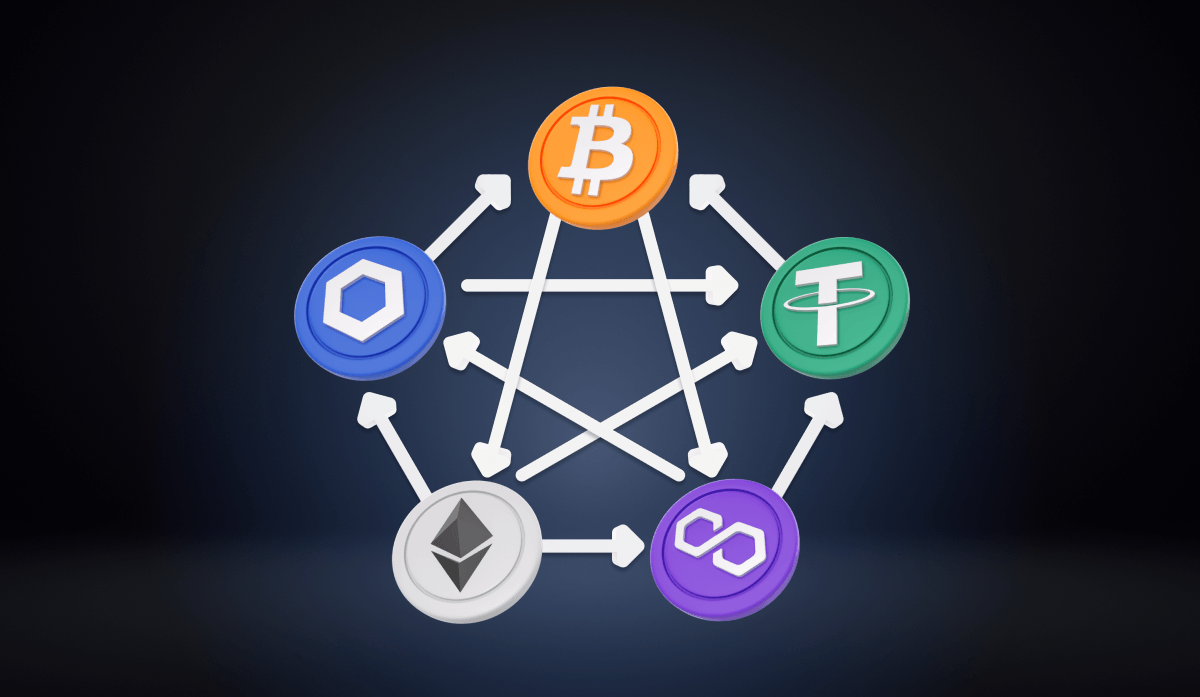

Decentralized exchanges automate trade execution through on-chain mechanisms that remove centralized intermediaries. They route liquidity via pools, automated market makers, or on-chain order books, each with distinct pricing and latency profiles. Settlement is cryptographically final on-chain, enabling verifiable custody and non-repudiation, while fees and price impact shape risk. Verification checks and audits provide transparency, yet the trade-off between efficiency and security invites careful scrutiny—a balance that determines the practicality of each execution path.
How DEXs Work: A Beginner’s Guide
Decentralized exchanges (DEXs) enable peer-to-peer trading without a central intermediary, relying on blockchain-based protocols to match buyers and sellers or to automate liquidity provision.
The mechanism emphasizes transparent settlement, permissionless participation, and auditable rules.
Liquidity mining incentives align participation with network health, while governance voting shapes protocol updates, risk controls, and future feature deployment for a freedom-focused, data-driven ecosystem.
How Trades Are Matched: Liquidity Pools, AMMs, and Order Books
Are trades on DEXs matched through a combination of on-chain liquidity mechanisms and off-chain signals, or do on-chain protocols directly execute every order? The answer varies by model. Liquidity pools and AMMs enable continuous pricing with instantaneous matches, while order books enable queued, user-driven executions. Liquidity mining incentives shape participation; barrier crossings influence price discovery and risk exposure within decentralized venues.
On-Chain Settlement, Fees, and Risks
On-chain settlement in decentralized exchanges occurs when trade finality is cryptographically asserted and recorded on the blockchain, ensuring verifiable custody and non-repudiation of assets.
This section analyzes fee structures, transaction costs, and latency implications, highlighting how settlement speed influences liquidity and risk exposure.
It emphasizes transparent pricing signals, predictable fees, and the trade-offs between confirmation times and security.
Verify Your Trade: What to Watch Before, During, and After Swaps
Before executing a swap, traders should scrutinize order integrity, asset provenance, and the selected routing path to minimize slippage and front-running risk; this involves evaluating expected price impact, liquidity depth, and the reliability of counterparties or pools.
Verification checks assess legitimacy, while third party audits corroborate protocol security, governance, and post-trade reconciliations, ensuring transparent, auditable outcomes.
See also: How Blockchain Technology Is Changing Asset Management
Conclusion
Decentralized exchanges operate with on-chain finality and programmable liquidity, yet their outcomes hinge on algorithmic dynamics. The juxtaposition of instant, permissionless trades against gradual, data-dependent settlements reveals a trade-off: speed and openness versus slippage, gas costs, and anti-front-running safeguards. In aggregate, rigorous verification and audits accompany transparent post-trade reconciliations, while risk metrics—latency, price impact, and fee structures—quantify performance. The result is a system that is simultaneously auditable, fast, and mathematically bounded, albeit imperfect and continuously evolving.