How Decentralized Exchanges Process Crypto Trades

How Decentralized Exchanges Process Crypto Trades
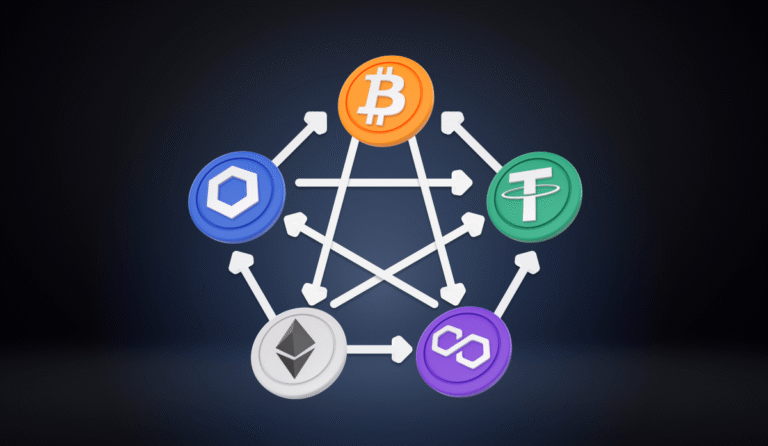
Decentralized exchanges automate trade execution through on-chain mechanisms that remove centralized intermediaries. They route liquidity via pools, automated market makers, or on-chain order books, each with distinct pricing and latency profiles. Settlement is cryptographically final on-chain, enabling verifiable custody and…

How Cryptocurrency Regulations Affect Market Development

How Cryptocurrency Regulations Affect Market Development

Regulatory frameworks shape who can participate and how trades occur, influencing liquidity, access, and disclosure norms. Clear, principle-based rules reduce fragmentation while preserving innovation, fostering credible price discovery and transparent markets. Cross-border alignment and predictable enforcement can raise investor confidence…

How Blockchain Technology Is Changing Asset Management

How Blockchain Technology Is Changing Asset Management

Blockchain technology is rewriting asset management by enabling real-time visibility, tokenized ownership, and interoperable data flows across exchanges, custodians, and protocols. In this framework, portfolios are updated instantly as markets move, and provenance is auditable through governance-driven controls. The result…